| "New Year's Day in colonial America was often marked by warmth and ritual—shared wassail, spiced cider, neighborly visits, music, and superstition—but Jan. 1, 1776, unfolded against a backdrop of political uncertainty.
While some colonists still clung to familiar customs, events on the ground suggested that the year ahead would be anything but ordinary. In the frozen north, American forces suffered a devastating defeat at Quebec. Hopes of bringing Canada into the rebellion collapsed amid brutal weather, disease, and military failure, leaving morale badly shaken. Far to the south, the port city of Norfolk, Virginia, burned in a chaos of cannon fire, looting, and political blame—an episode later remembered very differently from how it actually unfolded.
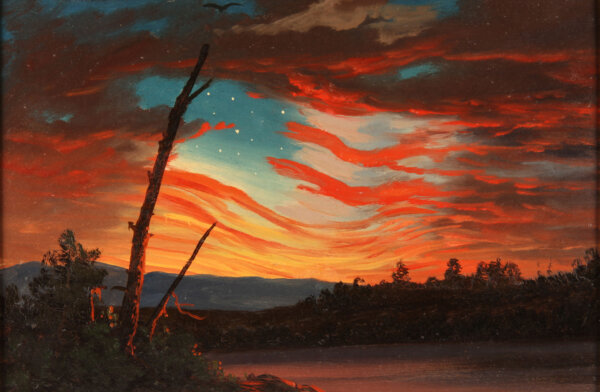
Yet, New Year's Day in 1776 was not defined by loss alone. In Philadelphia, a slender pamphlet was quietly prepared to reshape public opinion. Thomas Paine's ""Common Sense,"" published days later, would ignite debate and give ordinary people a language for independence. At the same time, George Washington used the first day of the year to assert discipline, unity, and purpose within his fragile Continental Army, even as symbols of a new nation—including its flag—began to take shape.
In 1776, the American colonies stood at the threshold of an unknown future. Independence was far from inevitable, and doubt and division were rampant. Looking back now, it's a good reminder that fear and resolve often accompany the start of a new year—and that strength can come from fragile beginnings." |




















Tidak ada komentar:
Posting Komentar