The drug is one of the most prescribed in the United States—No. 3 in terms of prescriptions and patients.
|
|
|
“When we give cheerfully and accept gratefully, everyone is blessed.”
|
|
|
The U.S. Food and Drug Administration in White Oak, Md., on June 5, 2023. Madalina Vasiliu/The Epoch Times
|
The drug is one of the most prescribed in the United States—No. 3 in terms of prescriptions and patients.
|
|
|
Following renewed U.S. strikes against Iran, the war has entered a new phase of hostility and uncertainty. To help you stay informed on the latest developments and analysis, we’re running a special promotion—you can enjoy full access to The Epoch Times at our best annual plan: $13 for one full year.
Offer ends Sunday.
In times of crisis, it’s easy for your mind to feel bombarded—notifications, headlines, endless scrolling. It feels like information overload, but science shows it’s worse: shallow, fragmented content actually changes your brain, training it for distraction.
Stanford research proves the opposite is also true: deep, focused reading boosts blood flow in critical brain regions, providing a “truly valuable exercise of people’s brains.” And a study published in Neuroscience News shows that consistent cognitive engagement such as reading can even delay cognitive decline by years.
What you feed your brain defines how it performs. Shallow content trains distraction. Deep, quality reading trains focus and insight.
At The Epoch Times, we don’t serve you noise. We deliver intelligent, independent journalism—content that sharpens memory, enriches thought, and gives your mind the clarity it deserves.
If you’re ready for a real mental detox, stop scrolling and start reading news that strengthens your mind.
|
|
|
Jonathan D. Williams for The Epoch Times
|
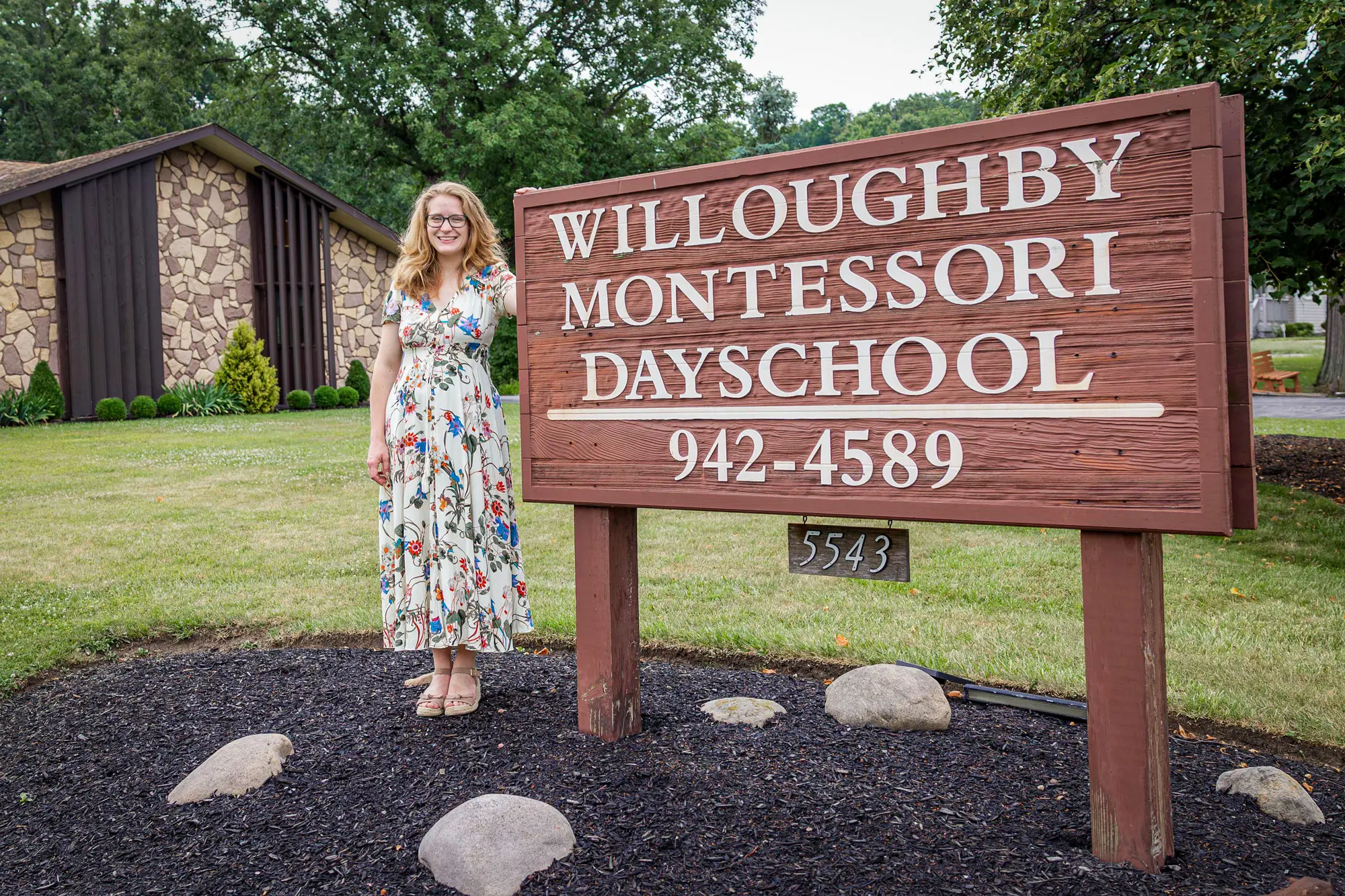
Colleen Endrizzi fondly recalls when she first experienced the “lost language” as a homeschooled kindergartener.
She learned it side by side with manuscript writing, a style in which letters are printed separately. Manuscript style requires the writer to lift the pen between each letter, compared to cursive writing, which involves connected letters that flow together.
“I traced the looping letters in cursive workbooks. It felt more like art instead of schoolwork,” said Endrizzi, now a Montessori school teacher who instructs children in cursive.
Endrizzi is part of a movement to revive cursive writing, which for a while was dismissed as unnecessary and outdated. She contends the skill benefits children’s memory and focus while providing a sense of connection to the written word. (Read more)
|
|
|
| Advertiser's Note: |
 |
|
|
|
A Belgian river station on the Congo River in 1889. Public Domain
|
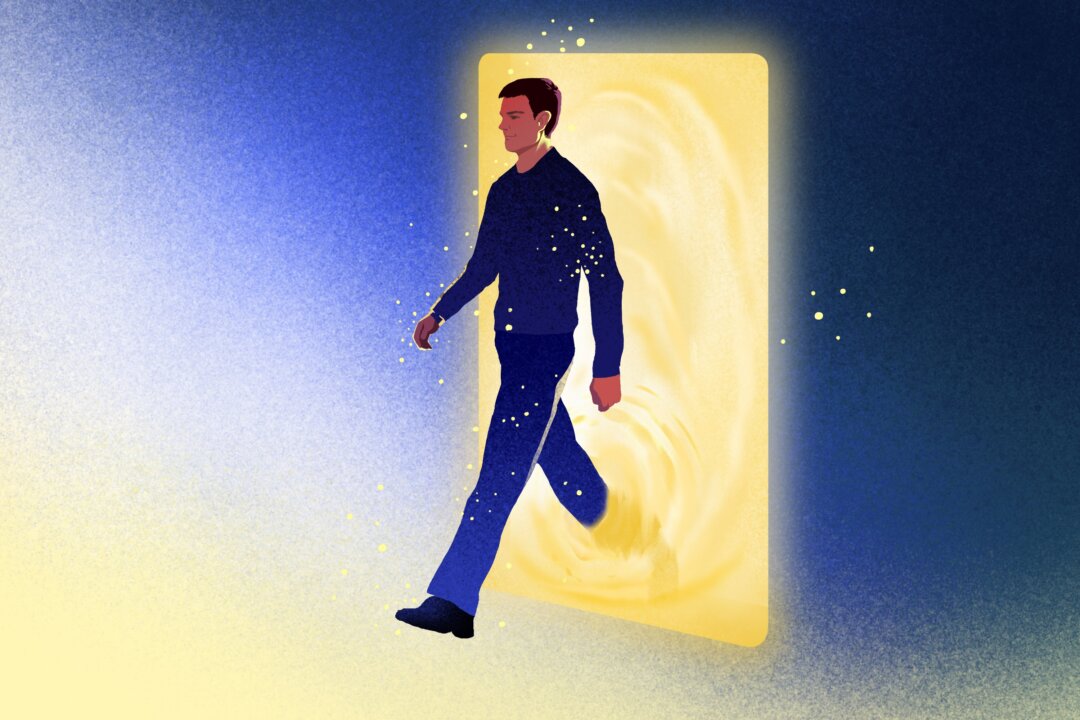
Joseph Conrad’s "Heart of Darkness" has been widely interpreted as a powerful condemnation of European colonialism for over a century. But what if one of literature’s most discussed novellas has been misunderstood?
The familiar story follows Charles Marlow as he journeys deep into the Congo to retrieve the mysterious ivory trader Kurtz, whose descent into madness culminates in his haunting final words: “The horror, the horror.” Many readers see these words as the novella’s central statement. Yet Conrad himself insisted that the true meaning of the book lies elsewhere—in the often-overlooked final encounter between Marlow and Kurtz’s grieving fiancée.
Faced with a painful truth, Marlow chooses compassion over brutal honesty, telling a comforting lie rather than repeating Kurtz’s despairing last words. According to this interpretation, Conrad presents civilization not as a force for power or conquest, but as the deliberate choice to elevate kindness, dignity, and moral restraint above humanity’s harsher instincts.
Throughout the novella, seemingly small details—from polished clothing in the African wilderness to acts of courtesy and respect—reinforce the idea that civilization is built on customs and ideals that temper human nature. However, this reading has often been overshadowed by modern critical interpretations, despite Conrad’s own comments about the importance of the ending.
Whether you have read "Heart of Darkness" many times or encountered it only in a classroom, this fresh perspective invites readers to reconsider one of the most influential works in English literature. By returning to Conrad’s final pages, we can identify the novella's enduring questions about truth, compassion, and what truly distinguishes civilization from barbarism. (Read more)
|
|
|
|
|
It’s the fourth-largest box office money maker in history for an R-rated film’s first week. It scored a 94 percent approval rating from film critics... (Read more)
|
|
|
|
|
Nicholas Epley’s new book argues that small acts of connection build the trust and goodwill on which a free society depends. (Read more)
|
|
|
| Advertisement: |
 |
|
|
|
Copyright © 2026 The Epoch Times, All rights reserved.
Our mailing address is: The Epoch Times. 129 West 29th Street, Fl 8, New York, NY 10001 | Contact Us
*When sharing an article, giftaccess@TheEpochTimes.com is added to the list of recipients. If your friend is not already a subscriber, we will send them a special link for free access to the article.
Our Morning Brief newsletter is one of the best ways to receive the most up-to-date information. Manage your email preferences here or unsubscribe from Morning Brief here.
|
|
|
|

















Tidak ada komentar:
Posting Komentar