
Most patients leave the imaging center knowing almost none of this.
|
|
|
WORDS OF WISDOM
|
“Lives of great men all remind us
We can make our lives sublime.” |
| —Henry Wadsworth Longfellow, "A Psalm of Life" |
|
🎧 Prefer to listen? Get the podcast.
|
| TOP STORIES |
|
|
  |
|
3-Day Flash Sale
Today, you can become an Epoch Times subscriber with $1.
While this special offer is only available for a limited time, you’re invited to explore our entire treasure trove of content as much as you like for a full 4 months. After that, your subscription will renew at our regular rate.
Beyond news coverage, you can expect:
• In-depth reporting and analysis on current affairs
• Thought-provoking commentary
• Deep, extensive, and holistic coverage on health
• Inspiring stories on art, culture, and history you likely won’t find anywhere else
• Original documentaries and TV programs
• American Thought Leaders: exclusive interviews with the nation’s most influential thinkers on important viewpoints often ignored
• And more.
Seize the day!
|
| Subscribe Now |
| |
|
|
|
|
|
|
|
|
|
|
|
|
|
| EXPLAINERS |
The commission, joined by several states, accused the World Professional Association for Transgender Health (WPATH) of ignoring scientific evidence and enabling... ( Watch video).
|
| PREMIUM |
|
|
| INSPIRED |
|
|
| CULTURE |
 |
| The Lost Art of Beautiful Craftsmanship |
|
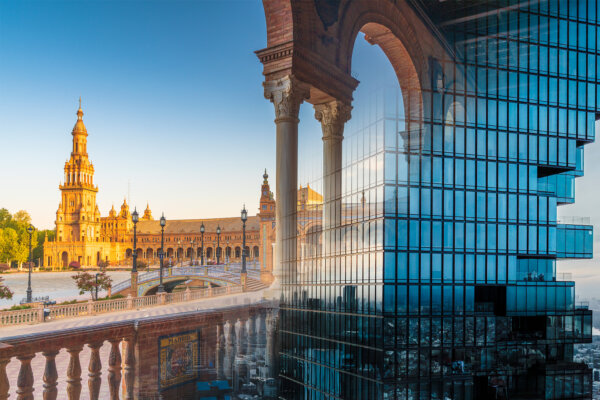
For much of human history, beauty was not reserved for museums or palaces. It was woven into everyday life—from fire engines and muskets to lampposts and furniture. Even the most practical objects were often crafted with extraordinary care, combining usefulness with artistry.
Those intricate details reveal a very different philosophy of making things. Whether it's an early horse-drawn fire engine adorned with elegant metalwork or an engraved 18th-century musket, these items raise an intriguing question: Why did previous generations devote so much time and skill to beautifying ordinary tools?
Craftsmanship once reflected a broader understanding of human nature. Our ancestors recognized that people crave more than functionality. We are drawn to beauty, proportion, durability, and meaning—qualities that nourish something deeper than material needs. As a result, beauty became part of daily experience rather than an occasional luxury. But the rise of mass production gradually shifted priorities toward efficiency, affordability, and scale. Influential design movements such as Bauhaus and Brutalism accelerated this transformation, championing utility while often dismissing ornament and traditional notions of beauty.
Yet the story is not simply one of decline. Handcrafted objects still hold appeal today, and people continue to value items made with exceptional care. Whether it is a finely crafted fly rod, a handmade piece of furniture, or a beautifully designed building, these objects remind us that utility and beauty need not be opposites.
What do we gain—and what do we lose—when craftsmanship gives way to pure efficiency? Machines may excel at production, but human beings still long for beauty.
|
|
|
|
| EPOCH TV |
|
|
|
|
| OPINION |
|
|
|
|
| TODAY'S RECIPE |
 |
| Pineapple Fried Rice |
|
Pineapple fried rice is one of my favorite Thai takeout orders, but it’s even better homemade because you can really load it up with the good stuff...
|
|
| EPOCH FUN |
|
|
|
|
|
|
|
| Copyright © 2026 The Epoch Times, All rights reserved. |
|
| The Epoch Times, 129 West 29th Street, Fl 8, New York, NY 10001 | Contact Us |
|
* When sharing an article, giftaccess@TheEpochTimes.com is added to the list of recipients. If your friend is not already a subscriber, we will send them a special link for free access to the article.
Our Morning Brief newsletter is one of the best ways to receive the most up-to-date information. Manage your email preferences here or unsubscribe from Morning Brief here. |
|
|

















Tidak ada komentar:
Posting Komentar